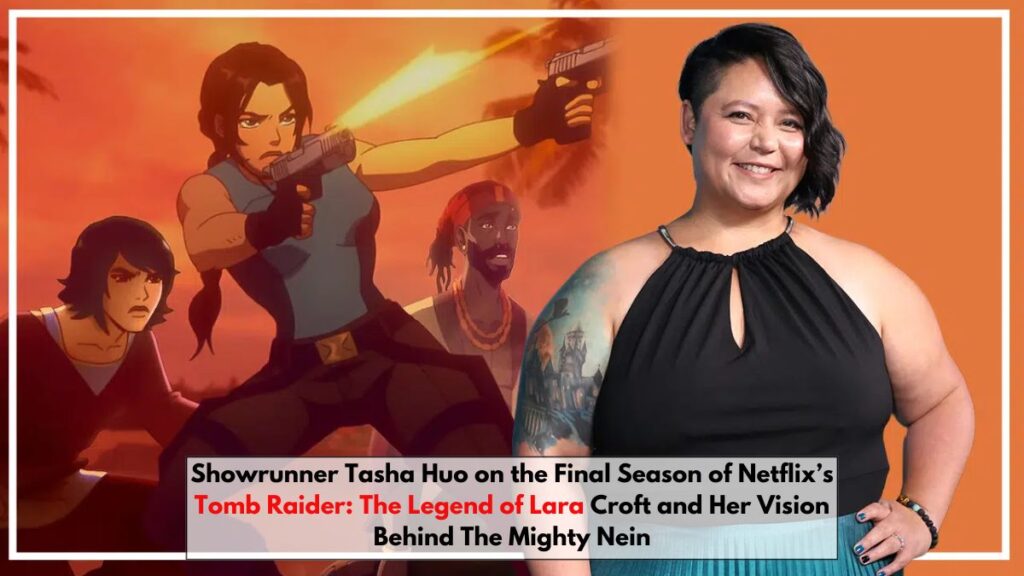
Netflix’s animated series Tomb Raider: The Legend of Lara Croft has never been just about ancient ruins, hidden artifacts, or globe-trotting danger. At its core, the show is about identity, healing, culture, and evolution—and no one understands that better than showrunner Tasha Huo.
- Read More:- How Kirston Leigh Mann Transformed Ted Danson Into a Suit-Wearing Spy in A Man on the Inside Season 2
As the series reaches its final season on Netflix, Huo reflects on redefining Lara Croft for a modern audience, giving the iconic adventurer emotional freedom, cultural awareness, and something she hasn’t always had in past adaptations: joy. At the same time, Huo is stepping into a new creative milestone as the showrunner of Netflix’s animated fantasy hit, The Mighty Nein.
In an in-depth conversation, Huo opens up about storytelling, cultural representation, animation challenges, audience reactions, and why Lara Croft’s journey still has many stories left to tell.
A New Era for Lara Croft on Netflix
Tomb Raider: The Legend of Lara Croft arrived on Netflix with a clear mission: to evolve Lara Croft beyond the familiar tropes of grief, isolation, and inherited trauma that have followed the character for decades.
Season one focused heavily on Lara confronting unresolved emotional wounds from her past—particularly the shadow of her father. According to Huo, that groundwork was essential before the series could truly move forward.
“The goal of season one was to say: Lara is a fully formed person now. We no longer have to deal with the elephant in the room that’s been present in the games for so long.”
With that emotional foundation complete, season two takes a bold tonal shift, allowing Lara to finally enjoy the adventure rather than be driven by sorrow.
Season Two: Freedom, Fun, and Emotional Growth
One of the most noticeable changes in season two is Lara Croft’s sense of joy. The adventures feel lighter, faster, and more playful—without losing emotional depth.
Huo explains that once Lara’s trauma was addressed, the character could finally breathe.
“There’s a freedom for her now to start getting into the Tomb Raider that we know and love from the early games.”
This emotional liberation allows Lara to reconnect with her purpose, her friends, and the thrill of exploration itself—something longtime fans have wanted to see for years.
Writing a Classic Heist Episode for Lara Croft
Among the standout moments of the final season is a high-energy heist episode, something fans instantly recognized as a love letter to classic adventure cinema.
For Huo, writing that episode was pure creative joy.
“I got to reference some of my favorite heist movies—Ocean’s Eleven, especially. We talked a lot about pacing, music, and fast-cut editing.”
But the episode also reveals one of Lara’s most human flaws.
Lara Croft’s Biggest Weakness: Awkwardness
Despite being a legendary adventurer, Lara Croft still struggles with social interaction.
“She can’t play it cool. She’s incredibly awkward.”
This flaw becomes both comedic and meaningful, especially in moments where other characters—like Sam—step in to handle conversations Lara simply can’t navigate.
By embracing Lara’s imperfections, the series makes her more relatable, more human, and more modern.
Exploring Underrepresented Mythology: Yoruba West African Culture
One of the most praised aspects of season two is its deep dive into West African Yoruba mythology, a choice that was both intentional and carefully researched.
The creative team wanted to move away from overused mythological settings and focus on cultures rarely explored in mainstream animation.
“Our homework was to research mythologies we hadn’t seen represented before.”
After extensive discussion, the writers narrowed their focus to Yoruba West African traditions, guided by research and lived experiences from the writing team.
Cultural Responsibility and Authentic Storytelling
Huo made it clear that cultural storytelling comes with responsibility.
While Indigenous American mythology was initially considered, the team ultimately decided it wasn’t their story to tell without deeper lived representation.
“If you don’t tell it right, that’s a disservice.”
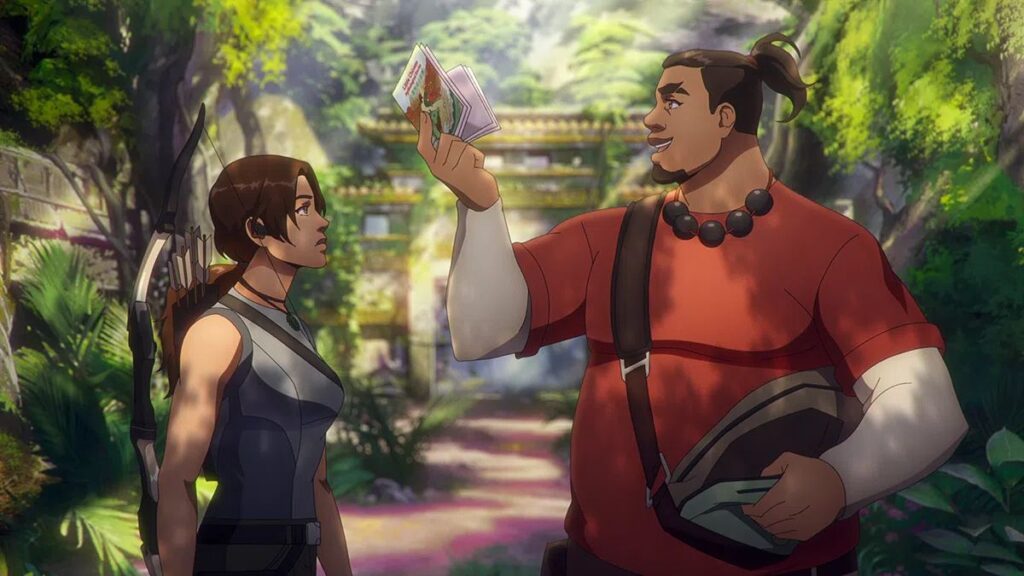
With Yoruba mythology, the team felt they could approach the subject with greater authenticity—especially through character arcs like Zip, an African American character grappling with lost heritage.
Zip’s Emotional Journey
Zip’s storyline touches on a rarely explored reality: the pain of not knowing one’s ancestral roots.
“A lot of people can trace their history. Zip couldn’t.”
This narrative thread adds emotional weight and social relevance, making the season resonate beyond action and fantasy.
Redefining Lara Croft’s Role in Other Cultures
A major theme of season two is humility.
Rather than positioning Lara as the outsider who “fixes” everything—a common trope in adventure stories—the series challenges that idea.
“Lara realizes these people know more about their culture than she does.”
Instead of dominating the narrative, Lara learns how to serve, listen, and support, ultimately becoming a stronger hero because of it.
This approach modernizes the franchise and aligns with evolving expectations around cultural representation in global storytelling.
Portraying Voodoo as a Force of Good
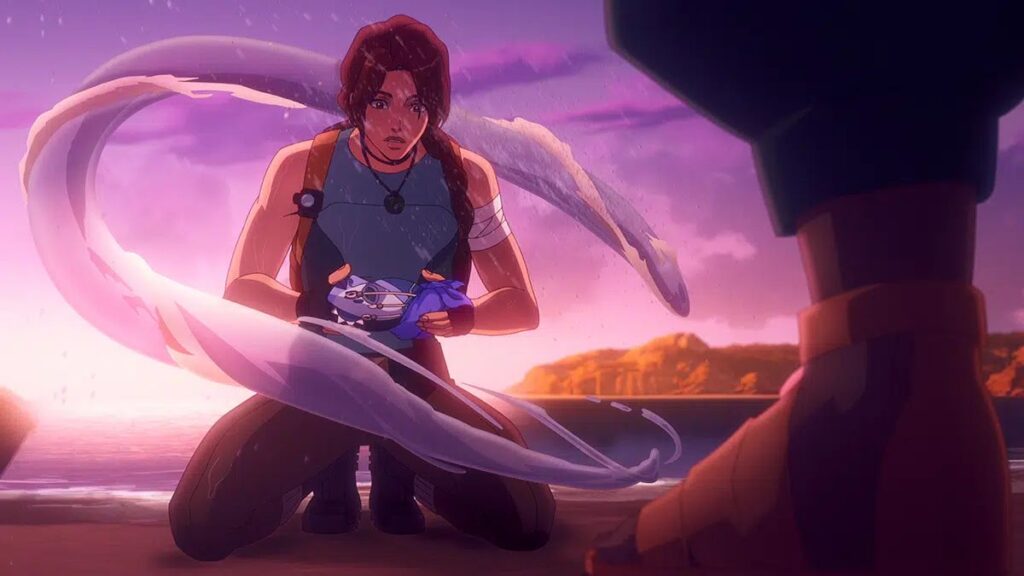
One of the most refreshing aspects of the season is its portrayal of voodoo, a belief system often misrepresented in Western media.
In the series, voodoo is shown as a unifying philosophy, rooted in community and spirituality—not fear.
Huo credits extensive research and collaboration with a cultural consultant for ensuring authenticity.
“There were things I got wrong in the script, and our consultant helped correct them.”
This commitment to accuracy strengthens the show’s credibility and educational value.
Real-Life Travel Inspiring Animated Adventure
Some of the series’ most visually striking moments come from Huo’s personal travel experiences.
An episode set in Ireland includes shots inspired by a real hike where Huo nearly fell from a cliff.
“That warning sign? It’s real. I saw it on that hike.”
Her advice to aspiring writers?
“Go live your life. Mundane experiences become creative gold.”
Growing as a Storyteller Through Animation
Working in animation reshaped Huo’s understanding of action storytelling.
Unlike live-action, animation demands close collaboration with artists and directors to create emotional experiences, not just plot progression.
“If I leave a scene and don’t know what experience I’m giving the audience, that’s a problem.”
Huo compares the storytelling process to a rollercoaster—every moment should make the audience feel something.
Mixed Reception and Creator Reality
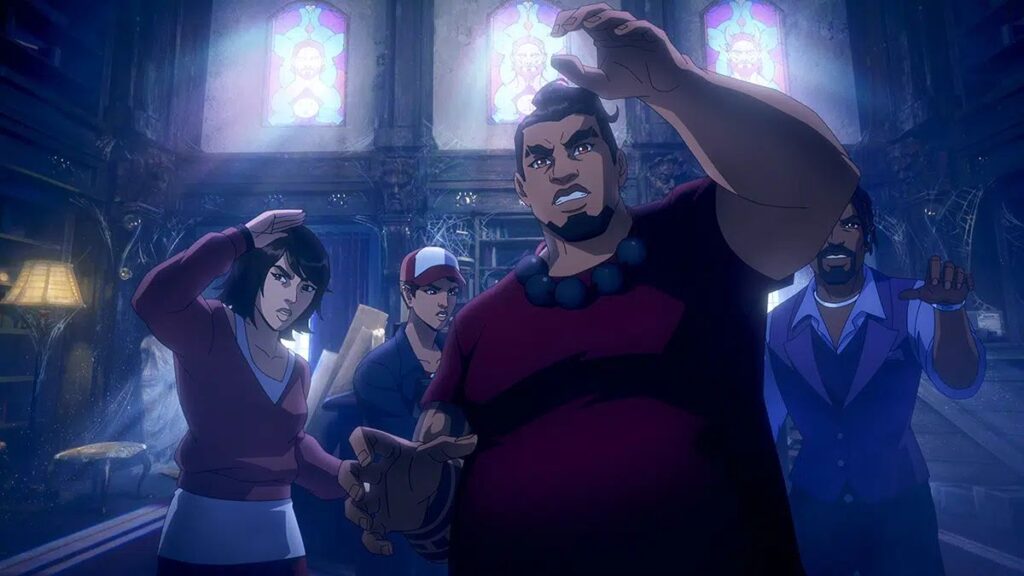
Despite strong creative ambition, the show didn’t become a breakout hit.
Season two was marketed as the final chapter on Netflix, and audience scores were mixed.
“It’s not this runaway hit.”
Still, personal messages from fans made the journey worthwhile.
“People told me Lara made them open their lives to friends. That’s why you do it.”
Pride, Closure, and Hope for More Lara Croft Stories
For Huo, Tomb Raider: The Legend of Lara Croft represents a career milestone.
“It’s my first show as a showrunner.”
While Netflix may have closed the chapter, Huo believes Lara Croft’s story is far from over.
“There are so many more stories we can tell.”
From Tomb Raider to The Mighty Nein
Huo’s experience on Tomb Raider directly shaped her leadership on Netflix’s The Mighty Nein.
The biggest lesson?
Collaboration Is Everything
“Your ideas are not always the best ideas.”
Huo fought for a full writers’ room—a rarity in animation—believing collaboration makes stories stronger.
“That collaboration made Tomb Raider better.”
Final Thoughts: A Legacy Worth Celebrating
Tomb Raider: The Legend of Lara Croft may have reached its end on Netflix, but its impact is undeniable.
By giving Lara Croft joy, vulnerability, cultural awareness, and emotional growth, Tasha Huo delivered one of the most thoughtful adaptations of the iconic hero to date.
For fans old and new, the series proves that Lara Croft isn’t just a relic of gaming history—she’s a character still evolving, still inspiring, and still ready for new adventures.