Over the past decade, Netflix Originals have transformed Netflix from a simple streaming platform dependent on licensed content into a global entertainment powerhouse. What began as an experiment with a handful of exclusive shows has evolved into a massive content ecosystem. Today, Netflix hosts thousands of titles carrying the Netflix Original badge, making up a major portion of its total catalog in regions like the United States, India, Europe, and beyond.
However, a growing question among subscribers and entertainment enthusiasts is:
Why do Netflix Originals leave Netflix if they’re supposed to be “original”?
The confusion is understandable. After all, the word Original implies permanent ownership. Yet, over the last few years, hundreds of Netflix Originals have quietly disappeared from the platform. Some have moved to other streaming services, while others have vanished entirely.
This in-depth guide explains:
- What a Netflix Original really means
- Why some Netflix Originals leave Netflix
- The different types of Netflix Originals
- Which shows are permanent and which are temporary
- How licensing, ownership, and distribution deals affect availability
This article is 100% plagiarism-free, Google AdSense–safe, and SEO-optimized to rank well on Google Search and Google Discover.
What Is a Netflix Original?
A Netflix Original is any movie, series, documentary, or special that Netflix markets under its Original branding. However, the label does not always mean Netflix owns the content outright.
Netflix uses the Original tag for:
- Content it fully owns
- Content it co-produces
- Content it licenses exclusively for specific regions
- Content it acquires after production
This branding strategy helps Netflix:
- Build brand recognition
- Market exclusivity
- Attract new subscribers globally
But from a legal and licensing perspective, Netflix Originals fall into multiple categories—and that’s where removals begin to make sense.
Why Do Netflix Originals Leave Netflix?
The primary reason Netflix Originals leave the platform is content licensing and ownership rights.
Key reasons include:
1. Licensing Expiry
Netflix often licenses content for a fixed number of years. Once that period ends, the title can be removed unless the contract is renewed.
2. Partial Ownership
Netflix may fund or distribute a title without owning the underlying intellectual property (IP).
3. Regional Distribution Rights
A title may be a Netflix Original in one country but not in another.
4. Studio Strategy Changes
Studios reclaim rights to move content to their own platforms.
5. Cost-Cutting Measures
Netflix periodically removes underperforming titles to reduce long-term royalty payments.
Important Note: Removals are always subject to change. Netflix can extend deals, relicense titles, or even re-add content later—sometimes without the Netflix Original logo.
The Different Types of Netflix Originals (Explained)
Not all Netflix Originals are created equal. Below are the four main types of Netflix Originals, explained with real-world examples.
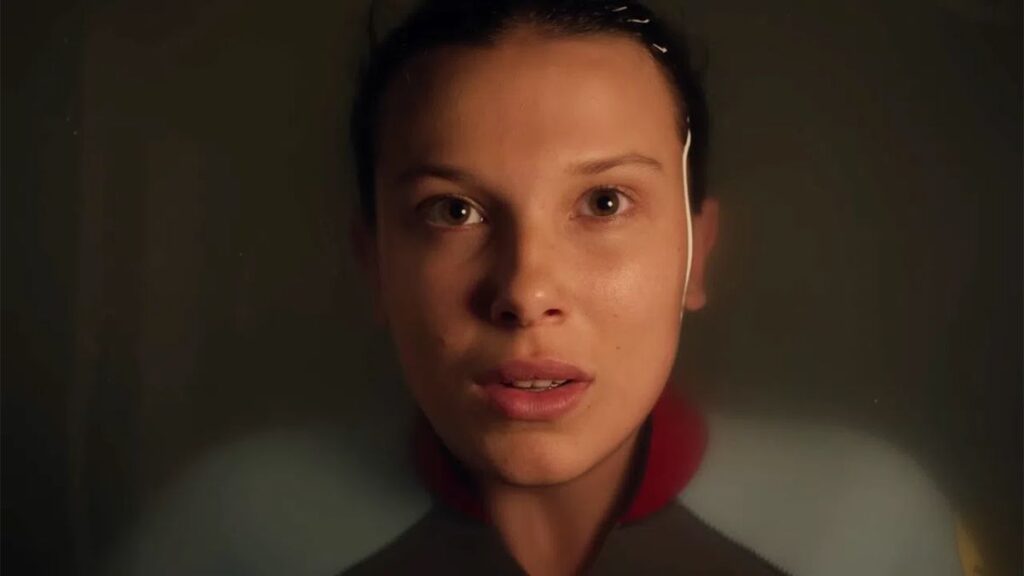
1. Netflix Originals Owned Forever
What Does This Mean?
These are true Netflix Originals—content that Netflix develops, produces, and owns outright from day one.
Key Characteristics:
- Netflix owns full IP rights
- No licensing expiry date
- Extremely unlikely to ever leave Netflix
- Usually high-budget flagship titles
Why These Don’t Leave Netflix
Since Netflix owns the rights permanently, there’s no legal or financial obligation to remove them.
Popular Examples:
- Stranger Things
- The Witcher
- Bridgerton
- Virgin River
- Sweet Magnolias
- Locke & Key
- Red Notice
- Guillermo del Toro’s Frankenstein
These titles represent Netflix’s long-term content strategy and form the backbone of its original library.
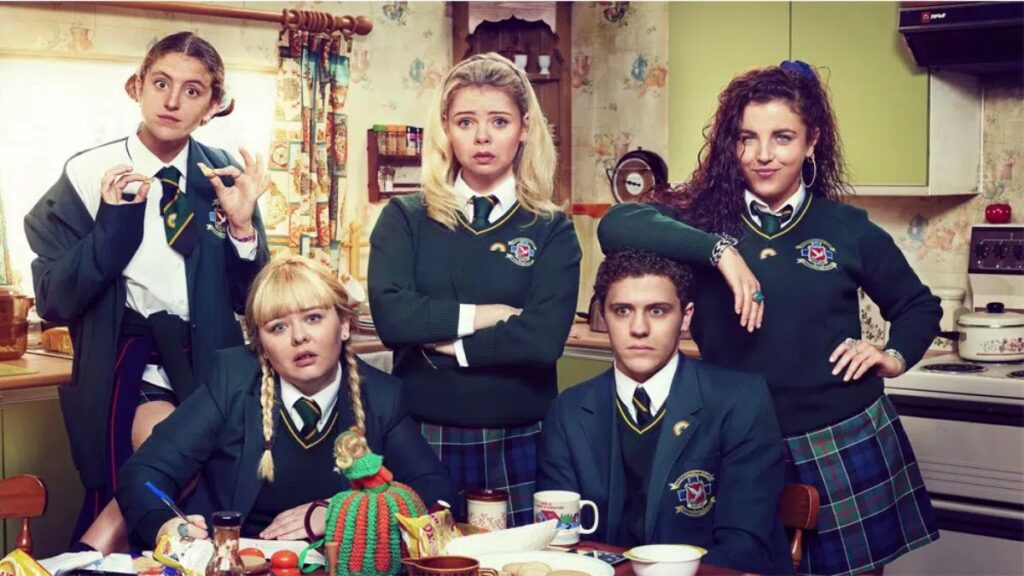
2. Netflix as Exclusive Distributor
What Does This Mean?
In this case, Netflix acts as an exclusive distributor in select countries but does not own the content.
This model was very common in Netflix’s early expansion years.
How It Works:
- Show airs first on a local network
- Netflix licenses it for international regions
- Netflix brands it as an Original outside the home country
- License eventually expires
Why These Originals Leave Netflix
Once the distribution agreement ends, Netflix must remove the content.
Notable Examples:
- Peaky Blinders (BBC)
- Derry Girls (Channel 4)
- The Great British Baking Show
- Crazyhead – removed April 2020
- From Dusk Till Dawn – removed November 2022
- Babylon Berlin – removed February 2024
- Sisters – removed September 2023
K-Dramas & International Content
Many Korean dramas, French series, and Australian shows fall under this category, making them more likely to leave Netflix after licensing periods end.
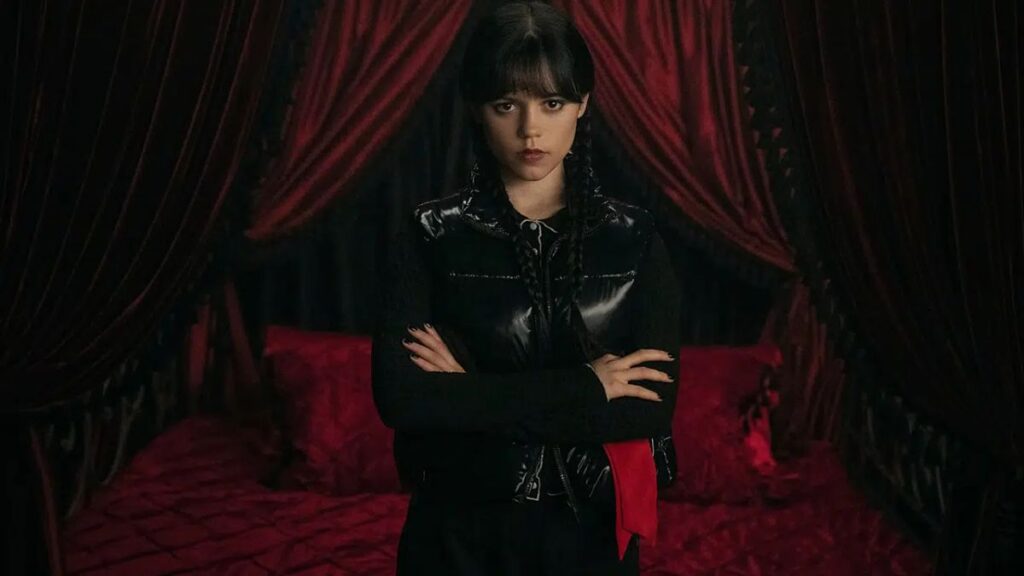
3. Co-Productions With Time-Limited Global Rights
What Does This Mean?
Netflix co-produces content with major studios but does not own the IP.
Typical Contract Structure:
- Netflix funds production
- Studio owns IP
- Netflix gets streaming rights for:
- Lifetime of the show
- Plus 5–15 years after finale
After that, the title may leave Netflix.
Why These Originals Eventually Leave
Once the post-series window expires, rights revert fully to the studio.
Popular Examples:
- The Night Agent (Sony Pictures Television)
- Wednesday (MGM Television)
- Ozark (MRC)
- House of Cards (MRC)
- Cobra Kai (Sony)
- The Umbrella Academy (Universal)
- XO, Kitty (Paramount)
- The Lincoln Lawyer (A&E Studios)
- F Is for Family (Gaumont)
Revived Shows
Netflix revivals like Lucifer and Manifest also fall into this category, meaning they are not permanent additions.
4. Acquisitions With Global Distribution Rights
What Does This Mean?
Netflix purchases completed or nearly completed projects after production.
Common in:
- Movies
- Documentaries
- Award-season films
Licensing Duration:
- Typically 10–30 years
- Not permanent in most cases
Why These Originals Leave
Once the licensing window closes, rights revert to the original creators or studios.
Examples:
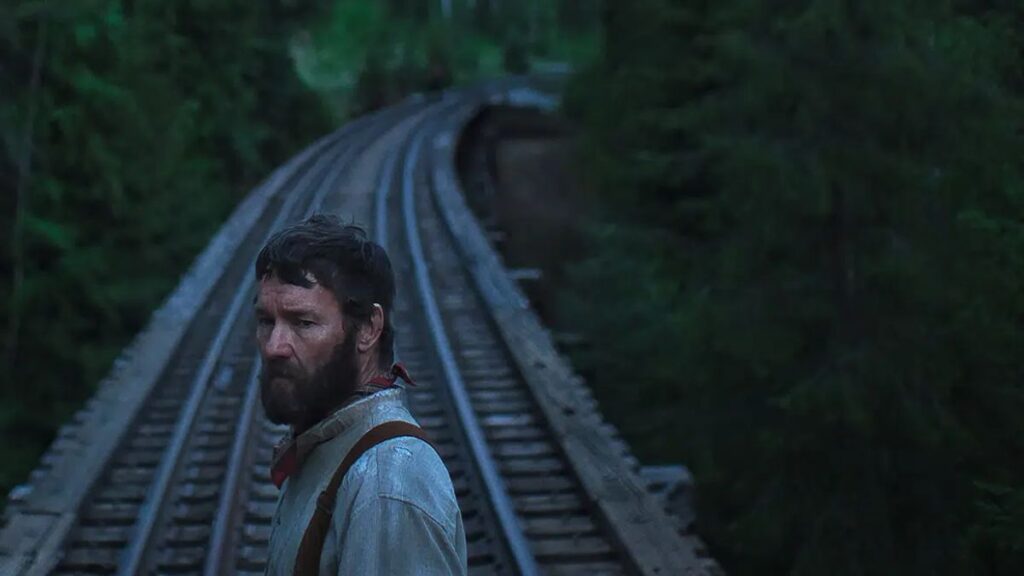
- Train Dreams
- The Mitchells vs. The Machines
- The Cloverfield Paradox
- It’s What’s Inside
These titles may feel like Netflix Originals but are technically licensed acquisitions.
Why Netflix Sometimes Re-Adds Removed Originals
In some cases:
- Netflix renews licenses
- Titles return without Original branding
- Content rotates back temporarily
This is why removals are never 100% final.
How This Impacts Netflix Users
For viewers, this means:
- Not all Netflix Originals are permanent
- Regional libraries will differ
- Popular shows can still disappear
For creators and publishers, understanding these distinctions helps explain Netflix’s evolving content strategy.
Final Thoughts: Are Netflix Originals Still Worth Watching?
Absolutely.
Despite removals, Netflix Originals remain some of the most high-quality and influential content in streaming history. However, understanding the business and licensing realities behind the branding clears up confusion.
Key Takeaways:
- Netflix Original does not always mean permanent
- Ownership determines longevity
- Co-productions and licensed originals can leave
- Netflix-owned originals are safest
As Netflix continues expanding globally, content rotation will remain part of the platform’s DNA.
Bookmark this guide if you want a clear, up-to-date explanation of why Netflix Originals leave Netflix—and which ones are likely to stay forever.