The entertainment industry has entered one of its most surprising and transformative moments in years. Netflix — the streaming giant that built its empire on the belief that great content must be created, not acquired — has taken a dramatic turn. In a landmark move, Netflix has officially agreed to acquire Warner Bros. Discovery, bringing HBO, DC Entertainment, and some of Hollywood’s most valuable franchises under its umbrella.
- Read More:- Kevin Bacon’s Crime Thriller ‘The Following’ Is Returning to Netflix After 8 Years — Full Details Inside
This decision goes against Netflix’s long-standing “build it, don’t buy it” philosophy. Yet the deal signals a strategic pivot, one that could reshape the future of global streaming, theatrical distribution, and competition in the content industry.
To understand the true implications, we break down the acquisition with insights inspired by the Entertainment Strategy Guy — one of the most respected and data-driven analysts in Hollywood.
Why the Netflix–Warner Bros Deal Changes Everything
Netflix already dominates global streaming, with unmatched global usage and viewership. But Warner Bros. carries something Netflix has historically lacked: iconic, multi-generation intellectual property. From Harry Potter to The Lord of the Rings, from Game of Thrones to Batman and Superman, Warner Bros. owns some of the biggest entertainment brands ever created.
This acquisition doesn’t just add more content. It shifts power.
For the first time, Netflix controls franchises that fans will watch for decades.
For the first time, Netflix becomes a studio in the traditional sense — not just a tech-driven content distributor.
Let’s break down why Netflix made this move, what it means for the media landscape, and how it will affect customers, talent, Hollywood, and streaming itself.
Why Netflix Wanted Warner Bros: The Biggest Reasons Explained
According to the Entertainment Strategy Guy, Netflix’s motivations can be summarized in three powerful words:
1. IP. IP. IP.
Intellectual property (IP) is the most valuable currency in entertainment.
Netflix has succeeded with original content — Stranger Things, Squid Game, Money Heist, Wednesday — but it still lacks the century-old, globally beloved IP libraries that Disney and Warner Bros. own.
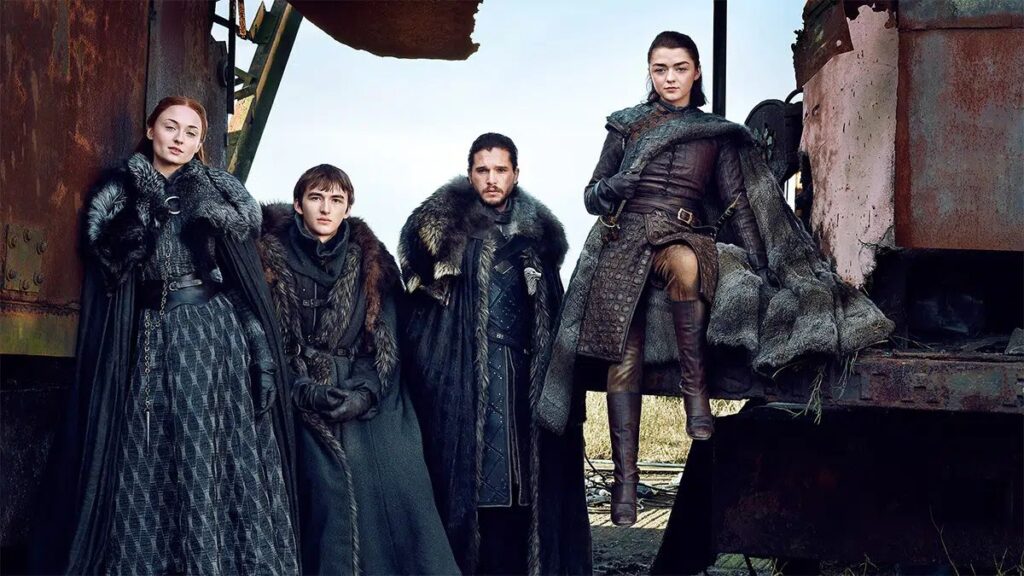
With this acquisition, Netflix instantly gains control of:
- Harry Potter
- DC Universe (Batman, Superman, Wonder Woman, Joker)
- Game of Thrones
- Lord of the Rings (shared rights)
- Friends
- The Big Bang Theory
- Gilmore Girls
- And thousands of film and television classics
These franchises aren’t just popular — they are billion-dollar, multi-platform ecosystems. They create merchandise, theme park attractions, spinoffs, prequels, video games, and recurring cultural moments.
For Netflix, this is a long-term investment in brand power that streaming alone cannot create overnight.
2. A Defensive Move Against Competitors
If Netflix didn’t buy Warner Bros., another major player—Amazon, Apple, or Disney—likely would have.
By acquiring Warner Bros., Netflix:
- Prevents rivals from gaining powerful IP
- Blocks competitors from strengthening their streaming platforms
- Protects its dominance in the streaming market
- Counters Amazon (which acquired MGM)
- Counters Disney’s deep, evergreen franchise library
This deal isn’t just about growth.
It’s about protecting Netflix’s throne for the next decade.
3. A Massive Content Library to Boost Engagement
Netflix thrives on volume. Users open the app and immediately see something new to watch.
Warner Bros.’ historic content library gives Netflix:
- More binge-worthy series
- Hundreds of classic and modern hits
- Award-winning films and prestige shows
- Family-friendly evergreen content
This helps Netflix increase watch time — the key metric that drives subscriptions and retention.
How Has HBO / HBO Max Really Been Performing?
Despite leadership changes and brand confusion (HBO Max → Max), HBO remains a prestige powerhouse. Data from 2024 and 2025 shows:
HBO Max saw a strong upswing in the U.S. streaming charts in 2024.
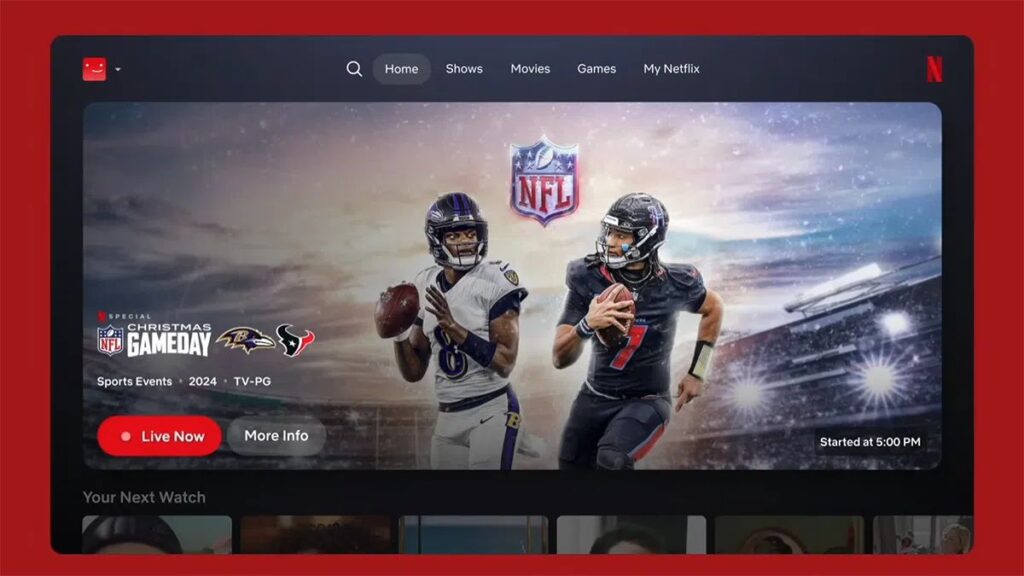
The platform benefited from:
- Strong library titles entering the top 10
- Major HBO originals like The Last of Us and House of the Dragon
- Successful films such as Sinners and Superman
However, 2025 was mixed:
- Fewer breakout hits compared to earlier years
- The series The Pitt built momentum and could be a hit in 2026
- Both HBO and Warner Bros films underperformed compared to Netflix because Netflix’s usage base is much larger
Once Warner Bros movies stream first on Netflix, the records may be shattered.
The Biggest Challenge: Integrating HBO Into Netflix
This is the most complicated part of the deal.
Problem 1: What Happens to the HBO Brand?
Netflix now faces a difficult question:
- Should HBO content be added directly to Netflix?
- Should HBO remain a separate premium channel?
- Should Netflix create a “Netflix Premium: HBO Included” tier?
None of these options are perfect.
HBO is known for carefully curated, artistic, adult-focused, prestige storytelling.
Netflix, in contrast, is known for algorithm-driven, volume-heavy, global entertainment.
Merging these two philosophies will be messy.
Problem 2: The Tech Stack Nightmare
Integrating two massive streaming infrastructures is extremely difficult.
- Data systems
- App technology
- Cloud backends
- Recommendation algorithms
- Billing systems
- Subscription workflows
Merging these has historically never gone smoothly in Hollywood.
Disney struggled integrating Hulu + Disney+.
Warner Bros struggled with HBO Max + Discovery+.
Netflix may face similar integration challenges.
What Does This Deal Mean for Viewers?
Short-Term Impact (Positive)
Consumers will likely enjoy:
- More content than ever before
- Immediate boosts in new titles and library additions
- Stable pricing (initially)
- Exciting crossover possibilities
Netflix will want to win public support and avoid regulatory pushback.
Long-Term Impact (Mixed)
1. Prices May Increase
With one fewer major streaming competitor, Netflix gains pricing power.
Prices have already risen sharply in the last 5–7 years.
This merger gives Netflix more freedom to increase pricing globally.
2. More Content, Not Less
Unlike other corporate mergers where cost-cutting reduces content output, this one is different.
Both companies rely heavily on content production revenue.
Netflix needs global content volume.
Warner Bros needs theatrical releases and franchise expansion.
Content is expected to increase, not decrease.
What About Talent, Writers, and Producers?
This is where the impact becomes negative.
When more studios compete, talent earns more.
Between 2018–2022, Hollywood experienced a “golden bidding war era”:
- Higher salaries
- More studios ordering new shows
- Better production budgets
But with the loss of another independent studio, Warner Bros, talent now faces:
- Fewer bidders
- Lower overall budgets
- Less negotiating power
This may reshape Hollywood’s economics for years.
Will Netflix Finally Embrace Theatrical Releases?
The Entertainment Strategy Guy believes: Not fully.
Netflix still prefers:
- Straight-to-streaming releases
- Fast content turnover
- Global simultaneous premieres
- Subscription-driven revenue models
However, with big Warner Bros franchises, Netflix may be forced to accept theatrical releases because:
Big-budget films need theaters to make real profits.
This is why Amazon now releases MGM films theatrically.
We may see:
- Warner Bros films → Theaters → Netflix
- Netflix originals → Straight to streaming
A hybrid model.
Can the Deal Be Blocked by Regulators?
Approval Odds: 60–80% Chance
It is more likely than not that the deal will go through.
But it could face opposition from:
- U.S. Federal Trade Commission (FTC)
- U.S. Department of Justice (DOJ)
- State Attorneys General
- International competition regulators
Both Democrats and Republicans may oppose it for different reasons:
- Democrats → Media consolidation concerns
- Republicans → Accusations that Netflix is “left-leaning”
Yet historically, regulators have failed to block major Hollywood deals:
- Disney bought Fox
- Amazon bought MGM
- AT&T merged with Warner Bros
Unless political pressure increases, this deal is positioned to close.
Final Verdict: Why This Acquisition Is the Start of a New Streaming Era
Netflix’s purchase of Warner Bros is not simply a business deal — it is a turning point for global entertainment.
For Netflix, it means:
- Control of the biggest franchises in the world
- Expanded influence over theatrical and streaming markets
- Protection against rising competition
- A deeper, richer content library
- A shift from “tech company” to “Hollywood studio”
For consumers, it means:
- More content
- More blockbuster films
- A stronger Netflix library
- Higher prices in the future
For Hollywood, it means:
- Fewer independent bidders
- Lower leverage for creators and producers
- Consolidation of creative power
This is not just a merger — it is a moment that will define the next era of streaming and entertainment. Netflix has broken its biggest rule. And the entire world will soon see whether it becomes the company’s greatest victory or its biggest gamble.